01
Capture every inquiry
Calls, forms, and texts enter one response path.
 Canova Systems
Canova Systems is a St. Louis based AI and automation agency that builds customer acquisition and follow up systems for blue collar businesses.
Our flagship Speed to Lead system responds, qualifies, books, follows up, builds visibility, and adds demand after the leaks are sealed.
25% off the flagship Speed to Lead system for eligible St. Louis metro businesses
Launch guarantee
Live in 7 days or your first month is free
Booked estimate guarantee
10 booked estimates in 30 days or you do not pay

Hampton Avenue rail corridor
The full system
Speed to Lead is the flagship automated system from Canova Systems. It is not only a receptionist and it is not only lead generation.
Calls, forms, and texts enter one response path.
The first useful response reaches the customer before the lead goes cold.
Service, location, timeline, access, scope, and fit are checked.
Qualified customers receive a real estimate time while intent is high.
Unbooked opportunities receive a measured sequence with a reason to reply.
Past customers and old estimates are reopened with context and consent controls.
Reviews and useful service content make the business easier to verify and find.
Ads and search feed the measured system only after response leaks are sealed.

St. Louis service ground
A dump truck placing rock near a levee on Leona Street along the Des Peres River in St. Louis in 1993.
SSGT. Paul Griffin · Public domainThe flagship system
Speed to Lead works the whole path, from the customer already in your orbit to the next booked estimate. It is not a receptionist, an ad campaign, or another dashboard.
STAGE 01
The leak
Past customers and old estimates sit untouched after the first conversation.
Sealed by Canova
Existing relationships are reactivated with context, timing, and consent controls.
St. Louis context When an owner is driving between estimates in St. Louis County and St. Charles County, old opportunities still need a timely next step.
STAGE 02
The leak
A new inquiry reaches the jobsite while you are driving, quoting, or running equipment.
Sealed by Canova
Calls, forms, and texts enter one response path instead of three separate holes.
St. Louis context A crew running equipment near Jefferson County cannot always stop to answer a new call, form, and text at the same moment.

STAGE 03
The leak
The customer contacts two more companies while your reply waits until the crew is free.
Sealed by Canova
The first useful response goes out in under 60 seconds, day or night.
St. Louis context A St. Louis homeowner comparing several contractors can keep moving while the crew is still on the road between jobs.
STAGE 04
The leak
Time gets spent on jobs outside your service area, scope, access, or minimum fit.
Sealed by Canova
Service, location, timeline, access, and project fit are checked before the calendar fills.
St. Louis context A request can cross the river into Illinois or head south toward Jefferson County, so location and route fit need to be clear before booking.
STAGE 05
The leak
A qualified customer is told somebody will call back and disappears before that happens.
Sealed by Canova
The right customer receives a real estimate time while intent is still high.
St. Louis context A customer in Madison County needs a real estimate window before the next county route is set for the day.
STAGE 06
The leak
A good lead goes quiet after one unanswered call and gets treated like a lost cause.
Sealed by Canova
Unbooked leads receive a measured seven touch follow up sequence and a clear next step.
St. Louis context After-hours inquiries can arrive after the trucks are parked, but they still need a reason to reply before the next morning fills up.
STAGE 07
The leak
Satisfied customers leave without a review and your best work never strengthens search visibility.
Sealed by Canova
Reviews, local proof, and useful service content make the business easier to verify and find.
St. Louis context Completed work from Lafayette Square to St. Clair County can become local proof when the customer is asked while the job is still fresh.
STAGE 08
The leak
Ads send more inquiries into the same slow response and weak follow up process.
Sealed by Canova
New demand from ads and search flows into the same measured system from first click to booked estimate.
St. Louis context Metro demand can come from long service routes on either side of the state line, so every new inquiry needs the same measured path.
The full system is recommended for land clearing operators doing $10k or more each month. If you are still building volume or want to start with one known problem, Canova can plug that leak first.
The flagship offer
The whole system. We plug the leaks, then turn on the engine. Every call, form, and text answered in 60 seconds and booked while your crew stays on the machine.
Built for
Land clearing and blue collar operators doing $10k a month or more.
Confirmed on the call based on your market and job volume.
Book a Speed to Lead CallLaunch guarantee
Live in 7 days or your first month is free
Booked estimate guarantee
10 booked estimates in 30 days or you do not pay
What the system connects
One measured pathThe St. Louis flagship discount
Eligible businesses in the seven listed metro areas receive 25% off the flagship Speed to Lead system. The final number depends on market and job volume and is confirmed on the call.
Missouri
Illinois
A smaller first move
Doing under $10k a month, already know which leak needs fixing, or want to see how we work before committing to the full system? Start with one service. Move up when the volume is there.
The 25% local discount does not apply to standalone services.

Fix the first impression
$297/mo
A fast, clean site on your domain, live in 48 hours, built to book jobs.
no setup fee, cancel anytime
See exactly what is included
Stop missing the phone
$497/mo
Every call answered 24/7 on your existing number, qualified, and booked.
cancel anytime
See exactly what is included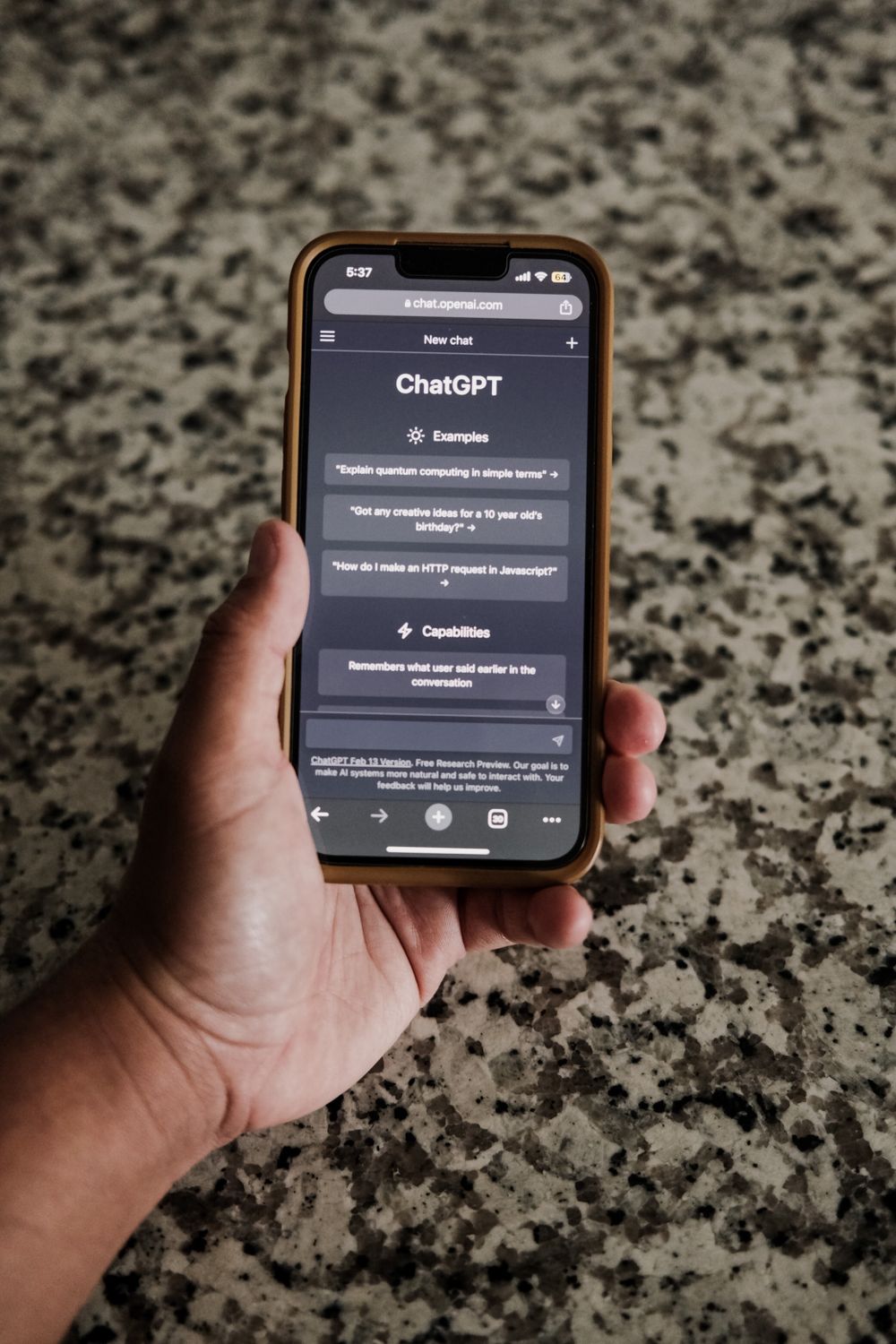
Become easier to find
$497/mo
Get named when customers ask ChatGPT, Google AI, Gemini, or Perplexity who to call.
no setup fee, cancel anytime
See exactly what is included
Find the leak first
$897one time
A hands on audit that maps exactly where automation saves you hours and wins you jobs.
5 business days
See exactly what is includedLocal operating context
The metro crosses a river, a state line, county lines, dense city blocks, and long suburban routes. The system has to understand how local service work actually moves before it can respond for the business.
01 / Response before demand
For Canova, blue collar marketing in St. Louis starts with a practical constraint: owners and crews can spend most of the day driving between estimates, operating equipment, or finishing work far from the phone. During that gap, a customer may contact several competitors. The answer is a connected response path, not another campaign in isolation. A local Speed to Lead system captures the inquiry, qualifies the job and service area, offers a booking step, and keeps following up when the first message goes unanswered. Review requests document completed work, while AI search visibility in St. Louis and paid demand help the next customer find the business. Response comes first. New demand follows after the booking path can handle it.
02 / Automation with boundaries
AI services for St. Louis businesses should remove routine coordination without trapping a customer in a bot. Calls, forms, and texts enter one inquiry queue, where the system asks only the questions needed to confirm service, location, timing, and job fit. Qualified requests can move to scheduling; old estimates and past opportunities can receive a relevant reactivation message. Follow up and routing rules account for service areas, office hours, and the person responsible for the next step. Consent and opt-out records stay attached to outreach. If the request is unusual, sensitive, or outside the rules, it goes to a human with the conversation context intact. See how the core Speed to Lead service works, or compare smaller starting points on the pricing page.

Photo by w_lemay. View the original source.
License: CC BY-SA 2.0.
Changes: Local WebP was resized, cropped, and converted from the original.
Hampton Avenue freight photo
Photo by Scott Nauert. View the original source.
License: CC BY-SA 3.0.
Changes: Local WebP was resized, cropped, and converted from the original.
Leona Street service photo
Photo by SSGT. Paul Griffin. View the original source.
Status: Public domain.
Changes: Local WebP was resized, cropped, and converted from the original.
03 / The metro is not one route
Good contractor marketing in St. Louis treats the metro as several operating zones, not one dot on a map. St. Louis City can mean tighter street grids and shorter distances between some calls. St. Charles County can add longer westbound drives and a different daily route. Metro East adds Illinois service-area and state-line considerations, so coverage rules must be clear before a lead reaches the calendar. A useful intake flow asks for the job address, work type, access, and timing, then routes or declines the request according to the contractor's real coverage. Content should be just as specific. A land clearing marketing page, for example, needs to explain the jobs and locations the crew actually serves instead of repeating a broad metro keyword.
St. Louis is our home base and part of a wider Midwest footprint. See all of Missouri or every area we serve →
Straight answers
Canova builds automated systems that capture inquiries, respond quickly, qualify jobs, book estimates, follow up, and improve search visibility.
Speed to Lead connects the full path from the first call, form, or text through qualification, booking, follow up, reviews, visibility, and new demand.
The discount applies to the flagship Speed to Lead system for eligible businesses in the seven listed Missouri and Illinois metro areas.
Yes. Businesses under $10,000 per month or businesses testing the fit can start with a publicly priced standalone service.
Pick the honest next move
Doing $10k a month or more
We connect the whole lead path. Eligible St. Louis metro businesses claim 25% off the flagship Speed to Lead system.
Book the Flagship CallUnder $10k or testing the fit
Choose a publicly priced standalone service. See how Canova works, fix one clear problem, and move into the full system when the volume supports it.
See Standalone Pricing