
St. Louis AI Search Visibility Checklist for Service Businesses
A source based checklist for helping St. Louis service businesses become easier to retrieve, verify, and cite across Google AI and answer engines.
Last updated: July 2026
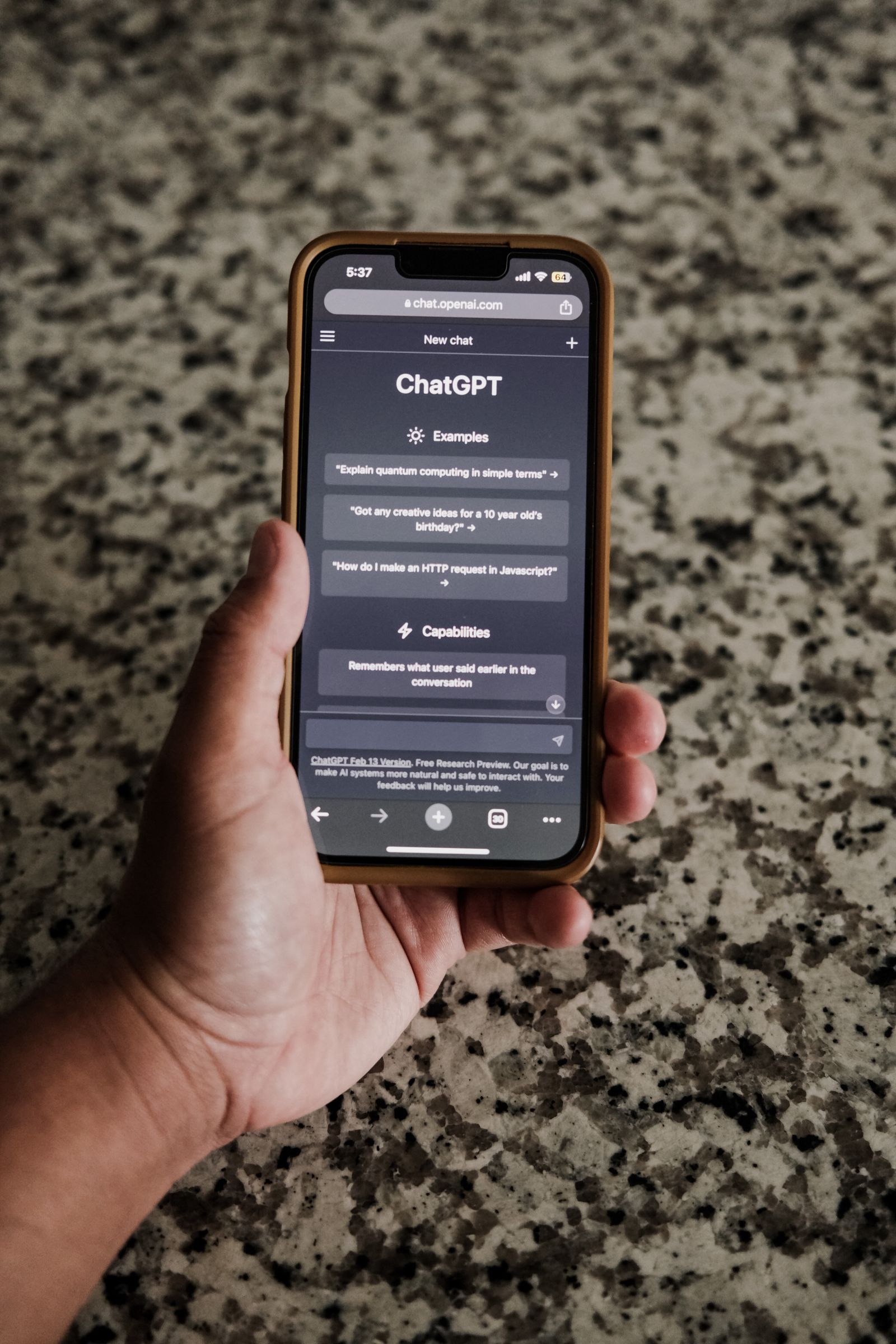
AI search visibility is not a hidden markup trick.
Google states that the same SEO fundamentals used for standard Search also apply to AI Overviews and AI Mode. A page must be indexed and eligible to appear with a search snippet. Google does not require a special AI schema file.
Use this checklist for a St. Louis service business.
Technical eligibility
Confirm the site allows crawling. Important content must appear as text, not only inside an image or video.
Check:
- Robots.txt allows legitimate crawlers
- Canonical URLs point to the preferred pages
- XML sitemap includes public pages
- Pages return a successful status
- Mobile layouts remain readable
- Structured data matches visible content
- Search Console can inspect the URLs
Canova’s site also publishes an RSS feed and human readable sitemap so new content has more than one discovery path.
Entity accuracy
Write one verified identity statement:
Canova Systems is a St. Louis based marketing company that builds automated lead response and search visibility systems for land clearing and service businesses across the US and Canada.
The same core facts should appear accurately across the website and public profiles.
Do not use a virtual office as proof of staffed local operations. Do not publish a street address until the business can support it accurately.
Local prompt baseline
Test prompts with different intent:
| Intent | Prompt example |
|---|---|
| Direct service | St. Louis AI search visibility company |
| Problem | Who helps St. Louis contractors show up in ChatGPT? |
| Niche | Marketing for Missouri land clearing companies |
| Comparison | Best contractor marketing companies in St. Louis |
| Education | How can a St. Louis service business appear in Google AI? |
Record the engine, date, answer, brands named, source links, and description accuracy.
The St. Louis AI search visibility service page shows the reporting structure.
Source agreement
Answer engines compare sources. Build agreement across reputable places:
- Website
- Google Business Profile when eligible
- Major business directories
- Local organizations and partnerships
- Reviews
- Industry profiles
- Useful third party mentions
The goal is not to copy one paragraph everywhere. The goal is consistent facts supported by different sources.
Content that can be quoted
Write direct answers near the top of each page.
Define the service. Name the business type. Explain where the company is based and where it serves. Add limitations, pricing logic, process, and evidence.
Google’s people first guidance asks whether content provides original information, complete treatment, clear sourcing, and identifiable authorship. Word count alone does not satisfy those questions.
Our contractor AI search visibility guide explains the wider process.
Structured data that matches
Use Organization, Person, Service, Article, BreadcrumbList, and FAQ markup where the visible page supports it.
Do not add LocalBusiness fields that the business cannot verify. A false address or service claim is worse than an omitted field.
Article schema should include the headline, author, publisher, publication date, modification date, canonical URL, image, and citations when available.
Local review signals
Ask real customers for reviews after the work. Make the process easy. Never script a fake result.
Useful reviews naturally mention the service, communication, and general area. Respond to every review with a specific human answer.
Measure visibility, not promises
Track whether the company appears and which sources earn citations.
Do not guarantee that ChatGPT, Google, Gemini, or Perplexity will recommend a company. The platform controls the answer.
Canova promises source engineering, content deployment, and visibility reporting. That is measurable work.